

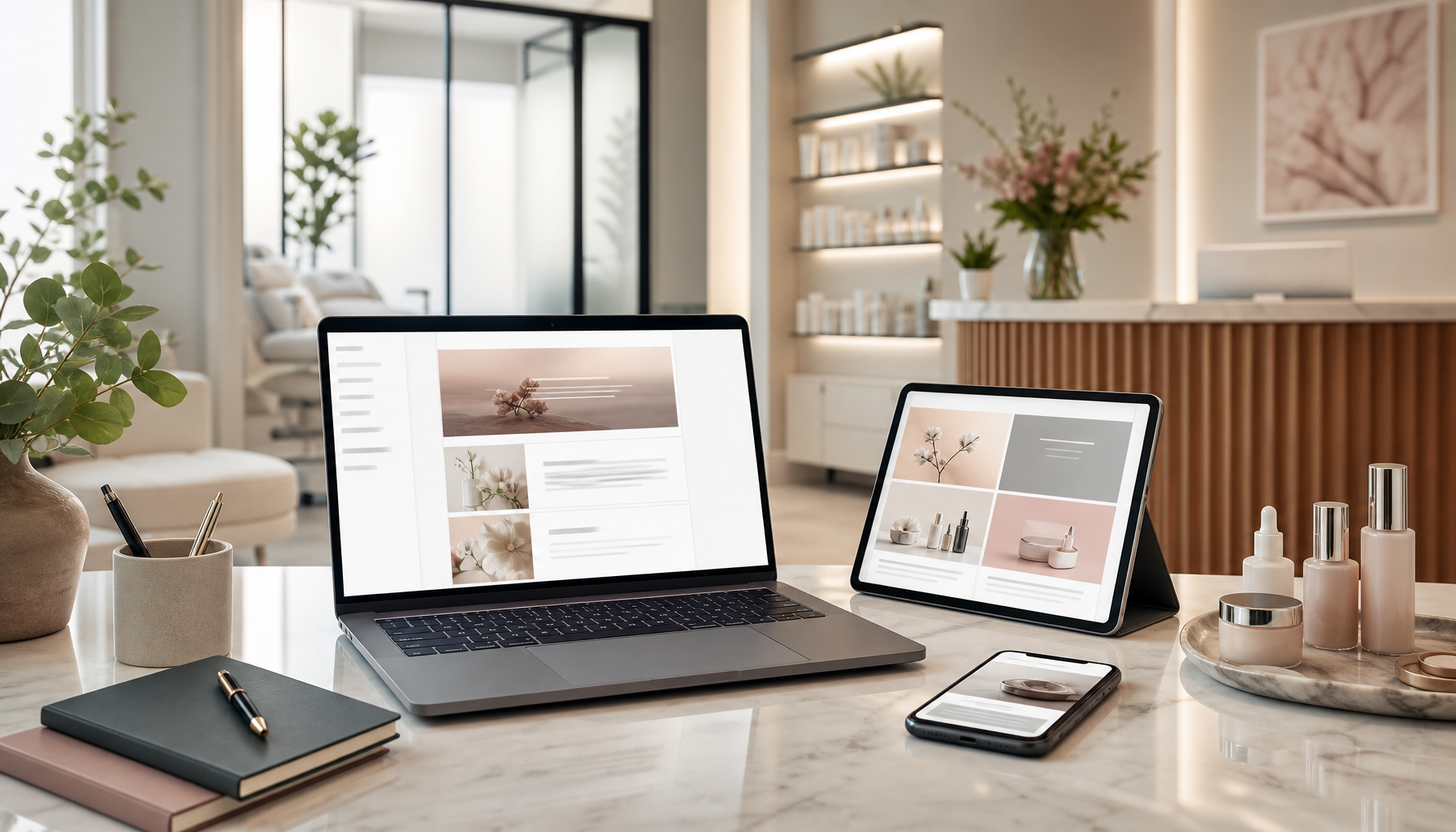
Most med spa email programs feel like promotions nobody asked for. The same discount lands in every inbox on the list, whether the client had a neurotoxin treatment last week or a facial series two years ago. Nothing in the message connects to what the client actually had done, and nothing is timed to when they should come back. So the emails get skimmed, then ignored, and the practice concludes that email does not work for aesthetics. The problem is not the channel; it is that the program was built around the practice’s calendar instead of the client’s.
A med spa lives on repeat visits more than almost any other practice. Neurotoxin wears off, filler fades, a series only works if the client finishes it, and a membership only pays off if the member keeps using it. Each of those moments is a reason to return, and most arrive on a predictable schedule. Email is the cheapest channel a practice has for reaching a client at exactly that moment, which is why the general principles of healthcare email marketing apply to med spas with more force than almost anywhere else.
Email marketing for med spas, done well, is a set of small, well-timed messages that each do one job. The table below lays out the core emails, when each goes out, what it is for, and what to keep out of it. Everything after it is about building those emails around treatment timing, keeping the list clean and compliant, and measuring the only number that matters: clients who come back on schedule.
| When it goes out | What it does | Keep out of it | |
|---|---|---|---|
| Welcome | Right after someone joins the list or books a first consult | Introduces the providers, the space and how booking works | Discount stacking on day one |
| Consult follow-up | Within a day or two of a consult that did not book | Answers the common hesitation and makes the next step easy | Pressure or expiring-today offers |
| Post-treatment care | The day of or day after a treatment | Aftercare instructions and who to contact with questions | Upsells in the same message |
| Rebooking reminder | Timed to the treatment’s typical interval | Prompts the next appointment before results fade | The treatment name in the subject line |
| Win-back | When a regular client has missed their usual interval | Invites them back without guilt | Before-and-after photos without written authorization |
The organizing idea is simple: each service has its own natural interval and its own reason to return, so each service gets its own reminder. A neurotoxin client wants to hear from the practice before the effect wears off, not after they have noticed movement returning and started looking around. Filler clients are on a longer cycle, and their reminder should arrive before the result visibly softens. Clients mid-series need a nudge between sessions; clients who finished one need a different message months later about maintenance. The exact timing belongs to the provider, not the marketing team, and should be described to the client as a window rather than a prescription. The email program’s job is to make sure the reminder goes out when the provider says it should.
Neurotoxin is where most practices should start, because it is usually the highest-volume service with the shortest, most consistent cycle. A reminder that lands as the effect begins to fade does more for a practice than any seasonal campaign. The same treatment-first thinking that shapes good botox marketing applies to the reminder itself: it should sound like the practice, name the provider the client saw, and make the next appointment a single tap away.
Series and package clients are the easiest to keep and the easiest to lose. Someone who bought a package of facials or a course of laser sessions has already committed money and intention. What breaks the series is not a change of heart but a missed session that never gets rescheduled, after which the package quietly expires. A short email before each session, with what to expect and a clear way to reschedule, keeps most series clients on track. For facial series in particular, the interval is short enough that the practice can build a rhythm the client comes to expect; that reliability is a large part of what makes hydrafacial marketing work as a membership-style offer rather than a one-time treatment.
Laser series run on a different cadence. Sessions are spaced weeks apart, the course can run most of a year, and clients lose track of where they are. An email after each session confirming how many remain and roughly when the next should be scheduled removes that confusion. A follow-up months after the final session, when touch-ups usually become relevant, brings the client back for the next round. Practices that treat laser hair removal marketing as a one-time acquisition problem miss that most of the revenue from a laser client arrives after the first sale, through the sessions and the maintenance that follow it.
Memberships live or die on whether members use them. A monthly membership that goes unused for two or three months becomes a line item the client resents, and a cancellation follows. The monthly membership email is the antidote: a reminder of what is included, a note on what the member has not used yet this cycle, and a direct link to book it. Written warmly, it reads as a service rather than a sales message, because it is one: the practice is helping the member get what they already paid for. No promises about results are needed; the point is to keep the appointment on the calendar.
Consult follow-up is the email most med spas never send. Many aesthetic consults end without a booking, and not because the client decided against treatment. They want to think about downtime, they are unsure what the result will look like, or they have questions about cost and financing they did not ask in the room. One or two follow-up emails in a normal voice can answer those directly: what recovery typically involves, how most clients handle payment, and where to book when ready. No countdown timers, no offers that expire tonight. A client on the fence does not need pressure; they need the missing information and an easy next step.
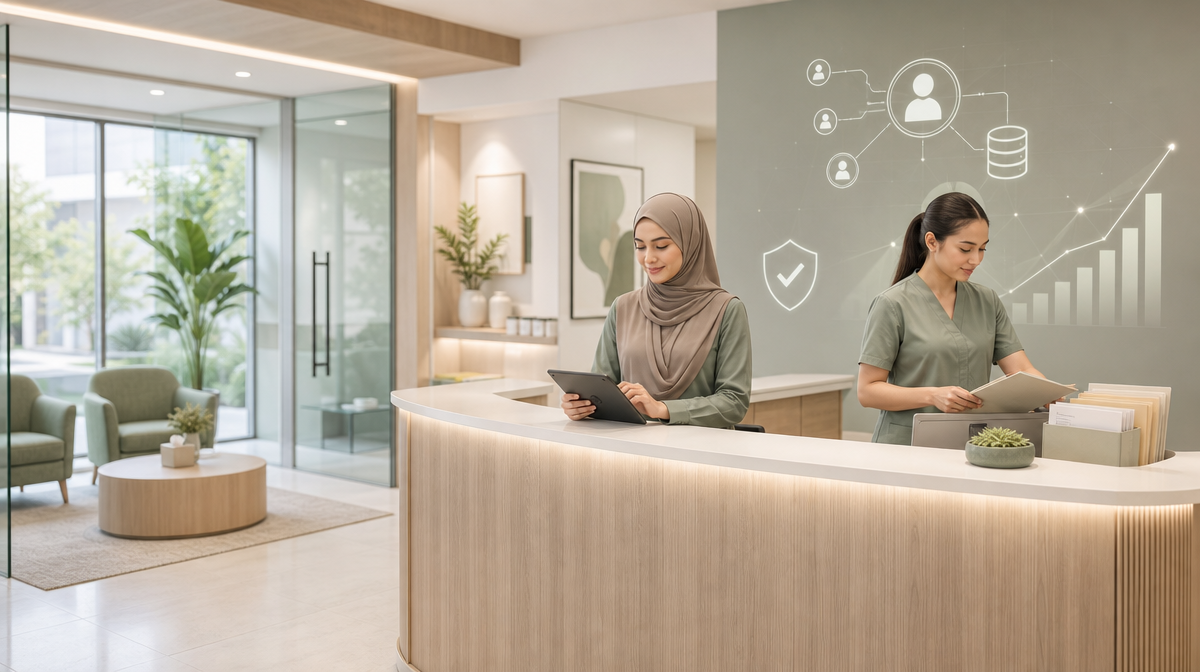
All of this depends on segmenting the list by treatment, not by age or gender. A filler client and a laser hair removal client want different emails, and neither wants the other’s. The useful segments are what the client has had done and when, plus whether they are currently in a series or a membership. That information already exists in the booking system; the work is getting it into the email platform so a completed appointment triggers the right follow-up without anyone at the front desk remembering to send it.
Treatment-specific detail should stay inside the email, never in the subject line or the preview text. A subject line that reads “Your neurotoxin touch-up is due” is visible on a locked phone, in a shared inbox, and on a family tablet. “A note from your provider” is not. The body can be specific; the parts that show before the email is opened should not reveal what the client had done.
That principle extends to everything a med spa sends. Aesthetic practices handle health information, many operate under a medical director, and the fact that someone is a client at all is information worth protecting. Before-and-after photos need written authorization from the client in the photo before they appear anywhere, including in an email to other clients. Testimonials should describe an experience rather than promise a result. Every commercial email needs to identify the business clearly, include a physical address, and carry an unsubscribe link that works and is honored promptly. The Federal Trade Commission’s CAN-SPAM compliance guide for business sets out the baseline requirements for commercial email, and a HIPAA-conscious practice will go further than the baseline: separate, documented consent for marketing email, distinct from consent for appointment reminders, collected at intake and stored where it can be found.
Rules vary by state, and the line between an appointment reminder and a marketing message is not always obvious. A note confirming next Tuesday’s visit is one thing; a message suggesting the client add a service to that visit is another. Practices should settle those questions with their medical director and counsel, and keep the marketing list and the operational list separate from the start.
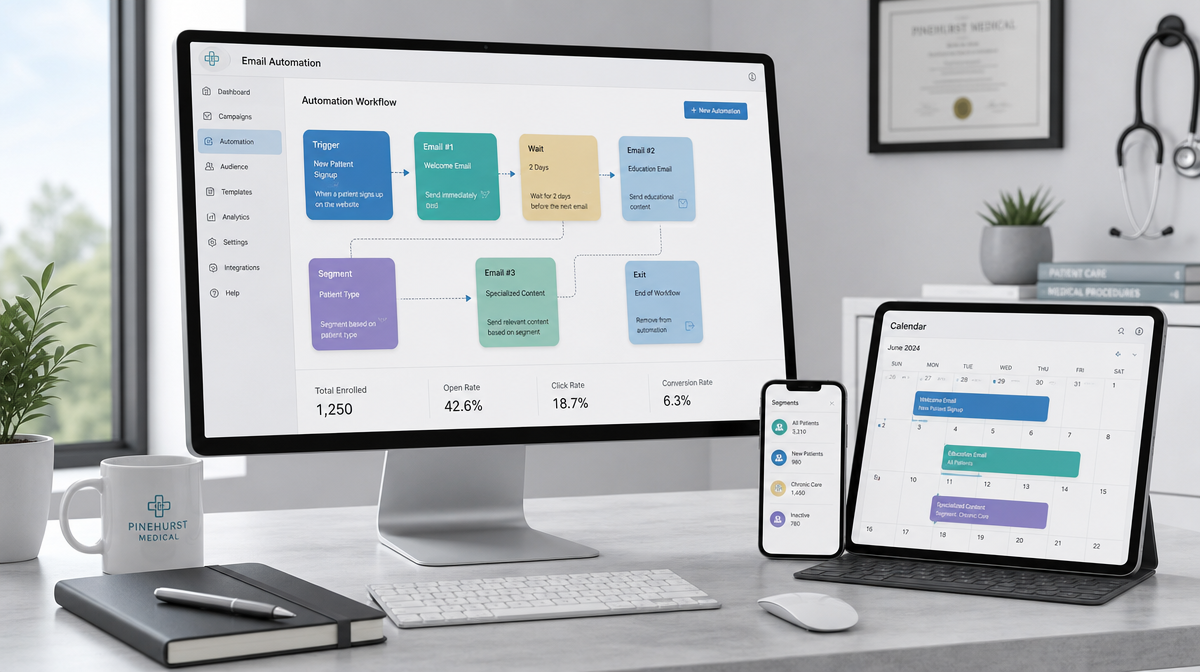
None of this matters if the emails land in spam. Deliverability decides whether med spa email campaigns reach anyone at all, whether a carefully built rebooking reminder reaches a client or sits unseen in a junk folder. The basics are the same for every sender: authenticate the sending domain so mailbox providers can verify the mail comes from the practice, send from a consistent address, keep volume steady rather than going silent for months and then blasting the list, and make unsubscribing one click so clients who are done leave quietly instead of marking spam.
The list itself is the biggest deliverability factor. A list built from people who actually opted in at intake, on the website, or at the front desk will perform well for years. A purchased list, or contacts scraped from old forms without consent, damages the sending domain’s reputation quickly and takes the good emails down with the bad. Google publishes email sender guidelines that describe what mailbox providers now expect from anyone sending commercial mail, including authentication, low spam-complaint rates and easy unsubscribes; practices that meet those expectations rarely have inbox problems, and practices that ignore them rarely know why their open rates collapsed.
Lapsed regulars are the cheapest clients a med spa will ever bring back. They already know the providers, the space and the booking process. They stopped coming for ordinary reasons: a move, a busy season, or simply that nobody reminded them. A short win-back sequence, triggered when a regular client has gone well past their usual interval, should read as a warm invitation rather than a guilt trip. Something new at the practice, a provider they liked who would be glad to see them, an easy link to book. Two or three messages over a few weeks is enough; if a client does not respond, let them rest rather than escalating into weekly offers.
Who runs all of this is a real question for most med spas. The owner is treating patients, the practice manager is running the front desk, and nobody has a spare afternoon to connect the booking system to an email platform and write eight sequences. Many practices hand email to whoever already runs their other marketing, which is sensible as long as that partner understands the treatment-timing logic above and is willing to build around it rather than around a promotions calendar. A practice weighing that decision will find the questions in our guide on how to choose a med spa marketing agency apply to email just as they do to search and paid advertising.

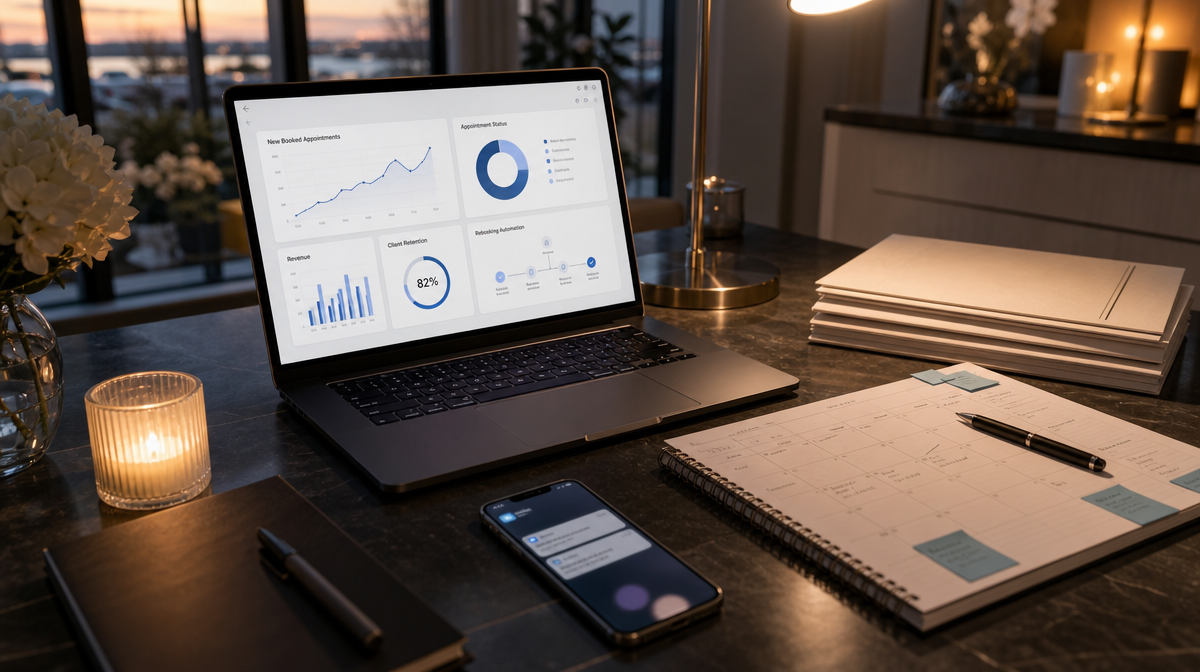
Measure what matters, which is not opens or clicks. The question a practice should ask of its medical spa email marketing each month is how many appointments it produced and how much returning-client revenue those appointments represent. That means tracking bookings from each email type, so the practice knows whether the rebooking reminders or the win-back sequence or the consult follow-up is doing the work. It also means watching which treatments have the longest gaps between visits, because those gaps are where the next reminder should go. Open rates say whether a subject line worked, not whether the schedule filled.
There is a second reason to run this program well, and it has little to do with email itself. AI assistants increasingly answer questions like “best med spa near me” from a practice’s public footprint: its reviews, its listings, how consistently it is described across the web, and the signals that it is an active, well-run business. A practice that communicates reliably, asks for reviews at the right moment, and keeps clients coming back builds exactly the reputation those systems draw on. Practices that invest in AI-driven search visibility will find that their client communication and their search presence reinforce each other.
A.L.I. 360 by Target Patients MD is a proprietary AI-powered patient-acquisition system for medical and dental practices. The name stands for Attract, Learn, and Influence. For a med spa, that means connecting what happens in search with what happens after the first visit: learning which campaigns and which emails produce rebooked appointments rather than opens, and automating follow-up with people who inquired or had a consult but have not yet booked, so the practice is not paying to acquire the same person twice.
The clients a med spa already has are its most valuable audience, and most of them want to come back. They simply need to be reminded at the right time, in the right words, about the right treatment. Building an email program around that means starting from the treatment cycle rather than the promotions calendar. For help building one, request a practice growth session and we will walk through where your rebooking gaps are.
- What emails should a med spa send?
A short set that each does one job: a welcome email after someone joins the list or books a consult, a consult follow-up for people who did not book, post-treatment care instructions, rebooking reminders timed to each treatment’s typical interval, series and membership reminders, and a gentle win-back sequence for regular clients who have gone past their usual interval. Promotional emails come after those, not instead of them. - How often should a med spa email its clients?
As often as the treatment cycle calls for, which varies by client. A neurotoxin client might hear from the practice a few times a year around their touch-ups; a membership client might get a monthly reminder; someone mid-series hears from the practice between sessions. A steady, predictable rhythm matters more than a fixed weekly schedule, and the practice should avoid long silences followed by a burst of promotions. - Can a med spa include before-and-after photos in marketing emails?
Only with written authorization from the client in the photos, obtained before anything is sent. The same applies to testimonials and any detail that identifies a client. Even with authorization, keep photos and treatment names out of subject lines and preview text, since those are visible before an email is opened and may appear on shared devices. - How do med spas get more clients to rebook through email?
By timing the reminder to the treatment rather than to the calendar, naming the provider the client saw, keeping the message short, and putting a one-tap booking link in it. Reminders that arrive as results begin to fade, before the client has started looking elsewhere, work far better than a generic monthly offer sent to the whole list. - How do you measure whether med spa email marketing is working?
By appointments booked and returning-client revenue, tracked back to each email type, not by open or click rates. Watch which treatments have the longest gaps between visits and whether those gaps shrink after reminders go in. If an email program cannot be connected to appointments on the schedule, the emails need to change, not the sending frequency.